Software Engineering Insights

Practical writing on software architecture, product development, AI integration, infrastructure, and the realities of building reliable software systems.

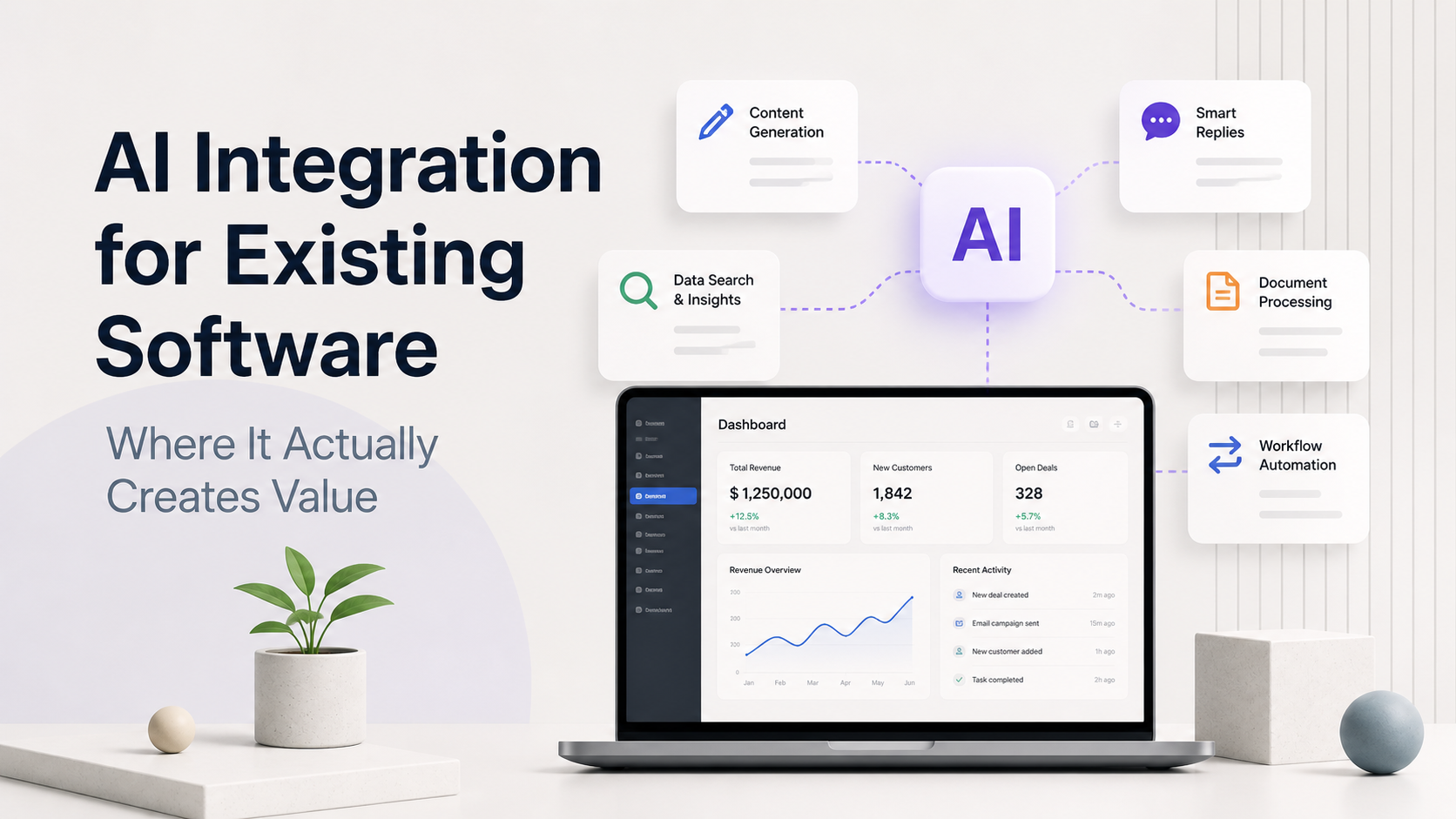
AI integration for existing software should not mean adding a generic chatbot just because AI is popular. This guide explains where AI creates real value in existing products: content generation, data search, document processing, workflow automation, user assistance, and decision support.

Nearshore software development in Serbia gives EU, UK, and US companies senior engineering, overlapping working hours, and strong value. Here is why Serbia works and what to look for in a partner.
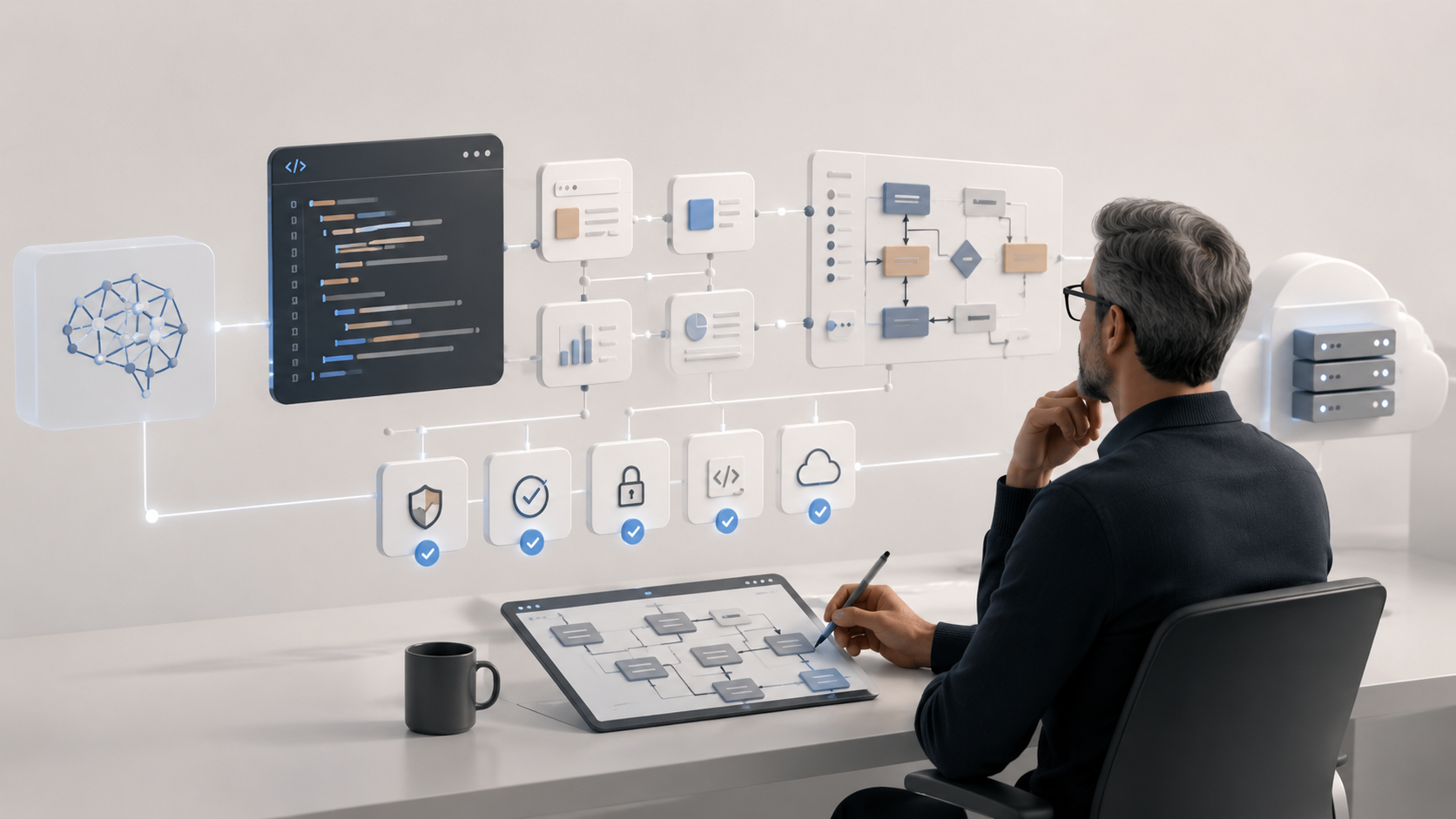
AI-generated software is powerful, but generating code is only part of building reliable software. Here is why senior engineers are essential for architecture, security, and maintainability.
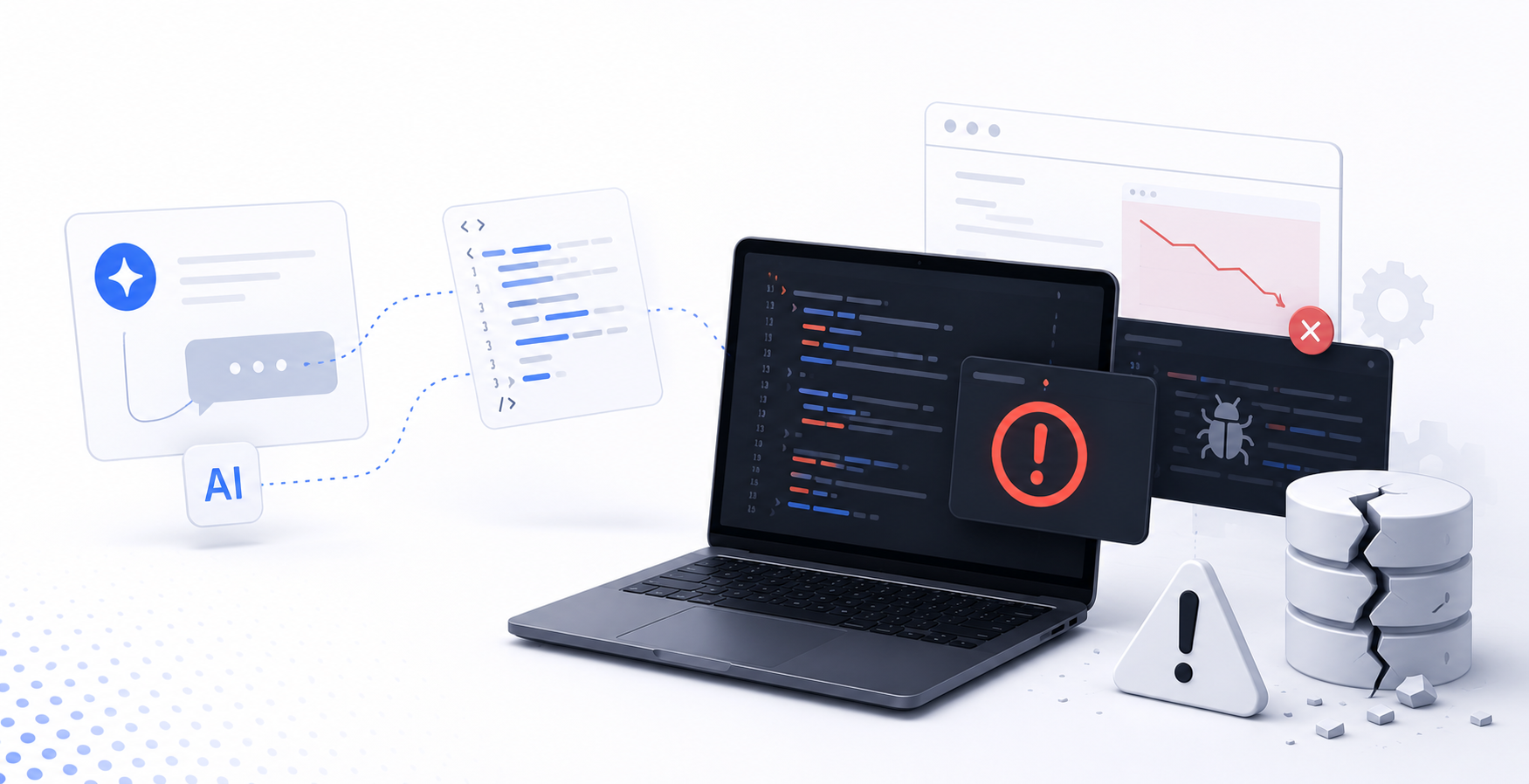
Vibe coding lets anyone build an app from a prompt. Here is what vibe coding is, why it is so popular, and exactly where vibe-coded apps break in production.
A software project takeover lets a new team take over, stabilize, and continue an existing codebase. Here is how the handover works, when you need one, and how to reduce the risk.
AI-assisted software development is faster than traditional development — but senior engineering judgment still owns architecture, security, and reliability. Here is how the two compare and when each one fits.
Modernizing legacy software is not always about rewriting everything from scratch. This guide explains when to refactor, rebuild, replace, or modernize incrementally based on business risk, architecture, infrastructure, release stability, and long-term maintainability.
Choosing between custom software and off-the-shelf software depends on your workflows, budget, integrations, scalability needs, and long-term product goals. This guide explains when an existing tool is enough and when building custom software becomes the better business decision.
The cost to build an MVP depends on scope, complexity, design, integrations, platforms, and the level of engineering required. This guide explains what drives MVP development cost, what realistic ranges look like, and how to plan a first version without building the wrong product too early.